
Tokyo Medical and Dental University, located in Yushima, one of Japan's holy places of learning and education, is the only comprehensive medical university in Japan. The university offers only two undergraduate departments, one in dentistry and the other in medicine. In the QS World University Rankings, Tokyo Medical and Dental University is ranked among the top 10 in the world and the top three in Japan for its top specialty, dentistry, making it one of Japan's leading medical meccas.
Category:
Hospital
-
-
The Affiliated Hospital of the Medical Department of the University of Tokyo originated from the first vaccination institute (vaccinia vaccination institute) opened in present-day Tokyo in the late Edo era, and has been leading the development of Japanese medicine and medical industry for more than 150 years. Adhering to the philosophy of "devoting to the development of clinical medicine and the training of medical talents to provide the best medical treatment for each patient", the hospital carries out its daily work with the following purposes: (1) practice medical treatment that respects the wishes of patients; (2) Provide safe medical care; (3) Develop highly advanced medical treatment; (4) Cultivate excellent medical talents.
-
UniversityClinic Hamburg-Eppendorf, UKE was founded on 17 May 1889 in Hamburg, Germany's second largest city, and is one of Europe's leading hospitals and the NO.1 medical centre of its size in Hamburg.
-
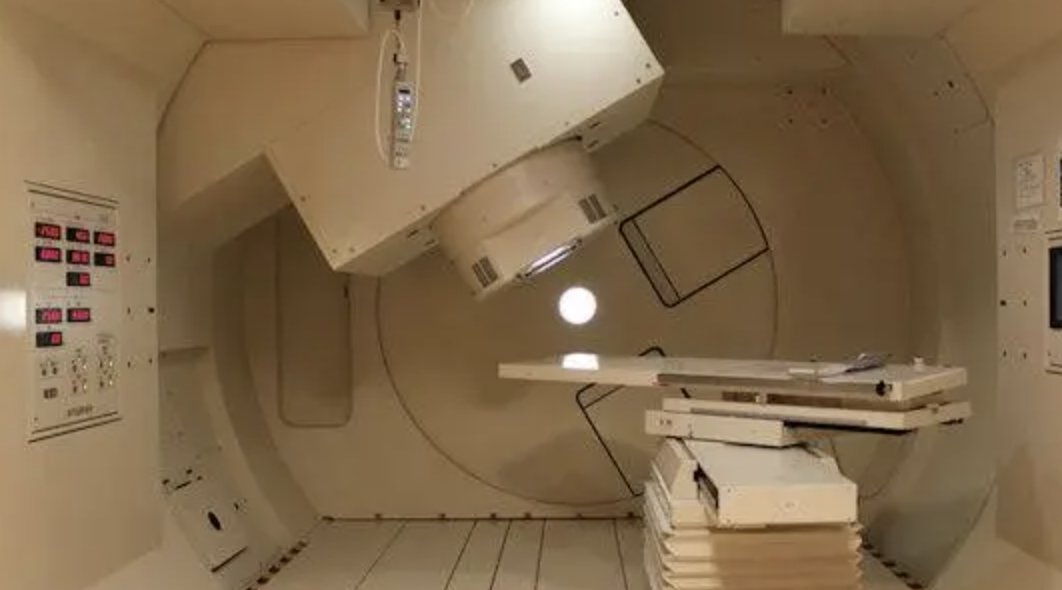
Medipolis Proton Therapy Centre Japan, located in Kagoshima, Kyushu, Japan, is one of the few JCI (Joint Commission International accredited high standard treatment facilities) accredited proton centres in the world.
-
Kyushu University Hospital is a university hospital affiliated with the Faculty of Medicine and Dentistry of Kyushu University located in Higashi-ku, Fukuoka. One of the 12 clinical core research hospitals in Japan, one of the specific function hospitals in Japan
-
Toronto General Hospital is the main teaching hospital in Toronto, Canada, and one of the five major hospitals of the Canadian University Health Network. Toronto General Hospital is the largest organ transplantation center in Canada and even North America, which can transplant heart, lung, kidney, liver, pancreas, small intestine and other organs for patients. Toronto General Hospital is world-famous for Peter Monk Heart Center, which is considered as the "global leader" in open heart surgery and cardiovascular health. In addition, the Toronto Institute is also the research institution with the most sufficient research funds in Canada, and has been rated as the first medical research institution in Canada by the well-known consulting company Research Infosource for nine consecutive years. The Toronto General Hospital, which is known as "the best hospital in Canada", deserves its name.
-
Cleveland Medical Center, founded in 1921, is located in Cleveland, Ohio, the United States. It has 3000 doctors, 15000 nurse doctor assistants, and 43000 employees. It ranks second in the United States in general hospitals, second only to the Mayo Clinic, and first in the United States in cardiac/cardiac surgery.
-
Japan's top-ranked cancer treatment hospital
-
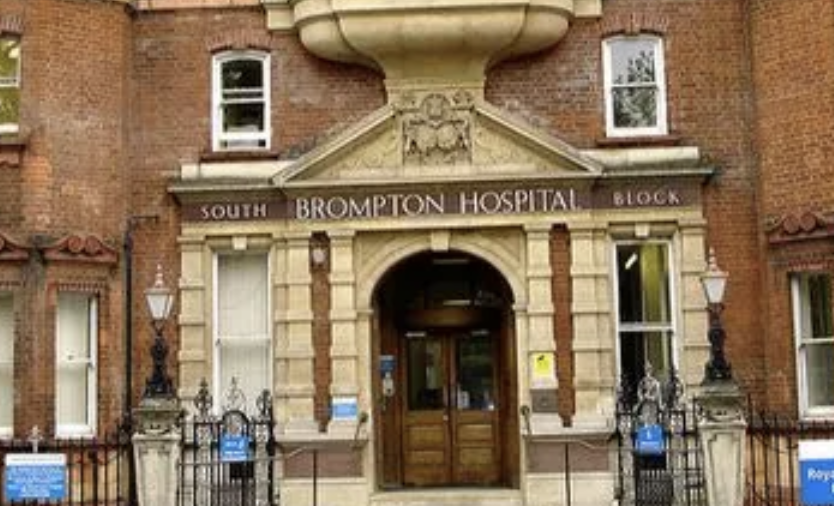
The Royal Brompton and Hallfield Hospitals are major specialist heart and lung centres in the UK and Europe. It has been named one of the best heart and lung centres in the world by Newsweek, with the Royal Brompton Hospital ranked as one of the top 10 cardiology centres in the world and Hallfield Hospital topped for its heart and lung expertise.
-
Founded in 1948, Sheba Medical Center is the largest and most comprehensive medical center in Israel and even in the Middle East. It is also the first medical center in Israel to provide patients with artificial hearts and the first test tube baby birth. This tertiary hospital affiliated to Tel Aviv University involves almost all specialties. Its obstetrics, gynecology, pediatrics, neonatology, rehabilitation and other specialties enjoy high reputation internationally, It provides services to more than 1 million patients every year,More than 25% of Israel's medical clinical research is conducted in the Sheba Medical Center, which also cooperates with almost all Israeli medical institutions to provide medical education and promote the future development of the medical profession.